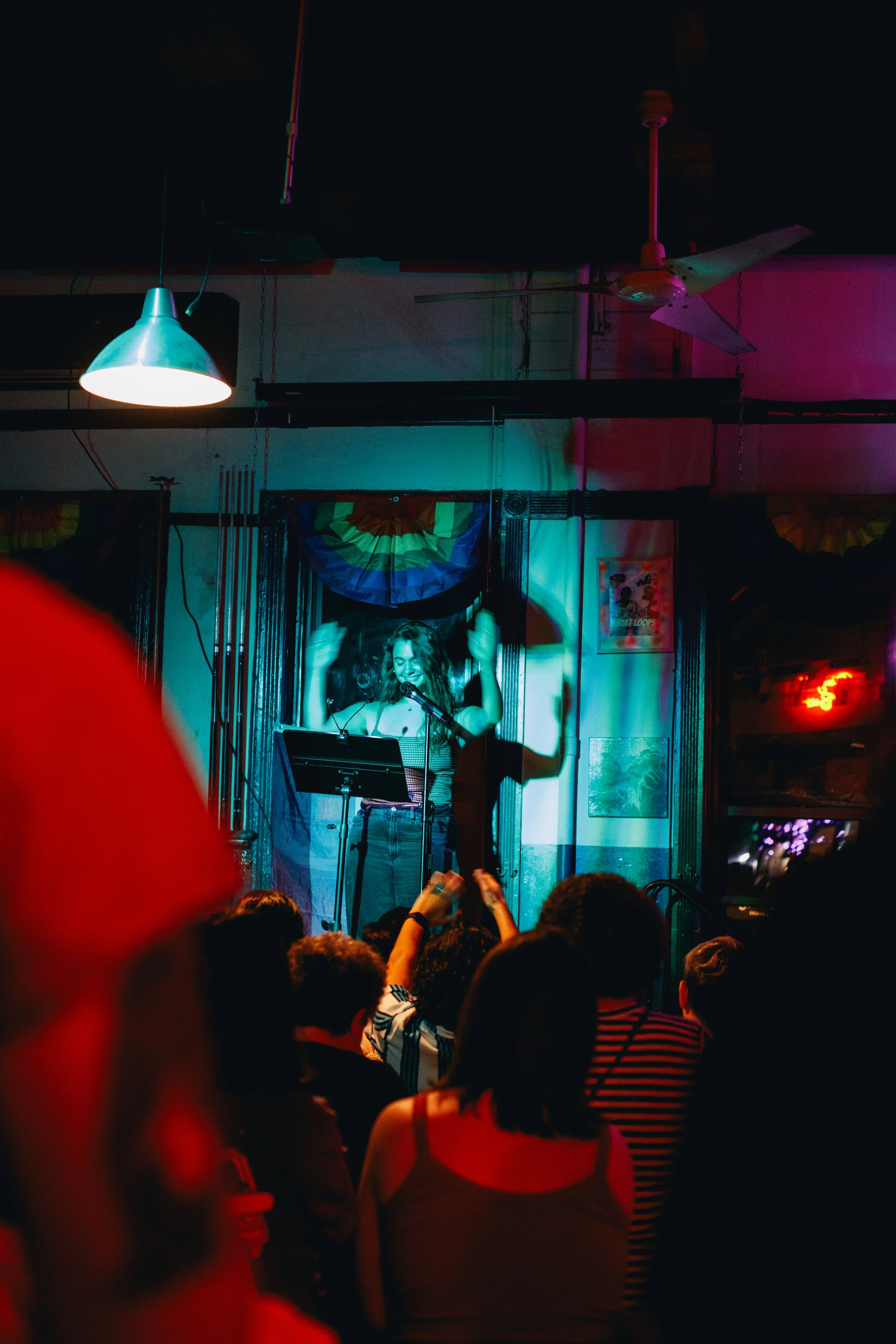
Workshops · Speaking · Events
I offer a dynamic range of events and workshops grounded in both lived experience and professional expertise — bridging themes of health, patient advocacy, grief, aging, and LGBTQ+ identity.
Past speaking engagements include the United Nations, International Federation on Ageing, SAGE, HelpAge International, the International Lesbian, Gay, Bisexual, Trans and Intersex Association (ILGA), and other global and community-based forums.
The core offerings below provide a starting point, but every session is thoughtfully tailored to your organization's unique goals and audience.
If you're exploring a specific theme or need something custom, I'm happy to collaborate and co-create content designed just for you.
Core Offerings
-
Available as a standalone workshop or ongoing series
This workshop creates a compassionate space to explore the realities of grief and loss — designed for anyone who wants to better understand grief, whether you're navigating your own loss, supporting a loved one, or working in caregiving or community roles.
Sessions are tailored to your group's needs and experience level, from foundational introductions to deeper, more advanced explorations.
What participants will take away:
Understand the history and cultural context of grief — exploring how different cultures have approached mourning throughout history and today. Learn about diverse experiences of grief, including anticipatory grief (grief before a loss occurs) and disenfranchised grief (grief that goes unrecognized or unsupported by others). Recognize how grief impacts the body and mind, including common physical, emotional, and mental effects and stress responses. Gain practical coping strategies — simple, effective tools for self-care during grief, including self-compassion and healthy habits. Develop skills to support others who are grieving through compassionate communication and the practice of being genuinely present. Explore meaningful rituals and personal practices that honor memory, create connection, and foster healing.
-
This workshop creates a generative, affirming space to explore the divides and connections between queer generations — designed for anyone who wants to deepen their understanding of queer intergenerational dynamics, whether you're a younger person seeking elders' wisdom, an older person wanting to connect with the next generation, or a community organizer or facilitator working to build more cohesive queer spaces.
Sessions are tailored to your group's needs and experience level, from foundational conversations to deeper explorations of history, identity, and community.
What participants will take away:
Understand the history and cultural context of queer intergenerational relationships — exploring how queer communities have been shaped by, and sometimes fractured across, generations. Learn about the distinct experiences, languages, and reference points of different queer generations, and why these differences matter. Recognize the impact of collective trauma, loss, and resilience — including how events like the AIDS crisis, marriage equality, and shifting gender discourse have been experienced differently across generations. Gain tools for navigating misunderstanding and conflict across generational lines with curiosity and compassion rather than judgment. Develop skills for building genuine kinship and solidarity — moving beyond tolerance toward real appreciation for difference. Explore practices and rituals for honoring queer elders and ancestors, and for passing knowledge and care forward to younger generations.
-
This session explores the complex intersections of aging, LGBTQ+ identity, and illness.
Participants will examine:The unique challenges LGBTQ+ elders face, including health disparities, social isolation, and systemic discrimination
Intersectional frameworks for understanding aging in queer and trans communities
Practical strategies for building resilience, accessing affirming care, and navigating support systems
Ideal for healthcare providers, community organizations, aging services, and advocacy groups working to create more inclusive and responsive care for LGBTQ+ older adults
-
As someone living with Ehlers-Danlos Syndrome (EDS) and peripheral neuropathy, I know firsthand what it means to spend years navigating a healthcare system that often overlooks, misunderstands, or even dismisses rare disease patients.
We’ll talk honestly about what it takes to be your own self-advocate when the systems around you aren’t built to support rare or complex conditions. We’ll also address the widespread issues of misdiagnosis and pathologization, which disproportionately affect women, people of color, and LGBTQ+ individuals, adding extra layers of challenge to an already difficult journey.Whether you’re newly diagnosed or have been living in this space for years, you’ll leave with tools, strategies, and real-world insight you can use right away.
In this session, we’ll explore:
How to advocate for yourself in medical settings — even when you're not being taken seriously
The emotional and physical toll of rare disease "medical gaslighting" — and how to protect yourself
Ways to clearly communicate your needs to doctors, specialists, and care teams
Building a personal network of support (medical, emotional, logistical)
Storytelling as advocacy: how your lived experience can drive awareness, research, and funding
Tapping into existing rare disease communities and advocacy orgs and knowing where to start
How to use small actions to make a big difference, from the exam room to the policy level
Who This Is For:
This is a space for rare disease patients, caregivers, and allies — especially those who’ve felt isolated, dismissed, or exhausted by the advocacy work that’s often necessary just to receive basic care. We pay special attention to the experiences of women, people of color, and LGBTQ+ persons who face additional barriers through misdiagnosis and pathologization. Whether you’re looking for language, validation, or a place to be heard, you’re welcome here. -
Donor conception and the use of gestational carriers are often framed as clinical or logistical decisions, but their implications are lifelong and deeply relational.
Drawing from my personal experience as a donor-conceived individual and my professional expertise, this talk explores:Best practices for early and transparent disclosure to children born through donated eggs, sperm, or embryos and/or gestational carriers
The psychological and cultural impact of discovering donor origins later in life
Key considerations in donor selection for LGBTQ+ families, including navigating donor agreements and contracts
Strategies for thoughtfully integrating donor ancestry into family identity, especially across cultural, ethnic, or religious differences
Emotional challenges faced by non-biological parents and guidance for strengthening familial bonds
Navigating honest conversations about donor relationships, boundaries, and evolving family dynamics
This session equips providers and families with language, tools, and ethical frameworks to approach donor conception as an evolving process rooted in care, transparency, and trust.